
International Alliance for Women in Music
2026 Search for New Music Winners
The International Alliance for Women in Music (IAWM) selected winners of its 2026 Search for New Music Competition.
The International Alliance for Women in Music (IAWM) is thrilled to announce the winners of its 2026 Search for New Music Competition. The competition recognizes the accomplishments of IAWM member composers and fosters IAWM’s goal of increasing awareness of the musical contributions of women. IAWM hopes that performers around the world will see this as a resource for their own concert programming.
Winners of the IAWM 45th Search for New Music Competition
Katy Abbott Prize ($500)
Winners: Jessie Leov, New Zealand
Honorable Mention: Pamela Madsen, USA
Leah Reid Electroacoustic and Music in Technology Prize ($400)
Winner: Victoria Frances Young, USA
Pauline Oliveros New Genre Prize ($300)
Winner: Nitzen Vardi, Isral
Portland Jazz Composers Ensemble Prize ($500)
Winner: Eunmi Lee, Korea
Honorable Mention: Hina Oikawa, Japan
Miriam Gideon Prize ($500)
Winner: Michelle Green Willner, Canada/USA
Choral/Vocal Ensemble Prize ($500)
Winner: Alexa Letourneau, USA
Honorable Mention: Victoria Malawey, USA
Global Music Prize ($500)
Winner: Eve Klein, Australia
PatsyLu Prize ($500)
Winner: Yingting Liu, China
Judith Lang Zaimont Prize ($400)
No Winner for 2026
Libby Larsen Prize ($400)
No Winner for 2026
Alex Shapiro Prize ($500 and mentorship/consultation from Alex Shapiro)
Winner: Isabelle M. Pearson, USA/Germany
2026 Katy Abbott Prize ($500)
Sponsored by Australian composer, Katy Abbott, for a large chamber work (9+ instruments) and/or orchestral works; may include works featuring soloists (vocal or instrumental).
Winner: Jessie Leov, New Zealand – Speculations on a Rainbow
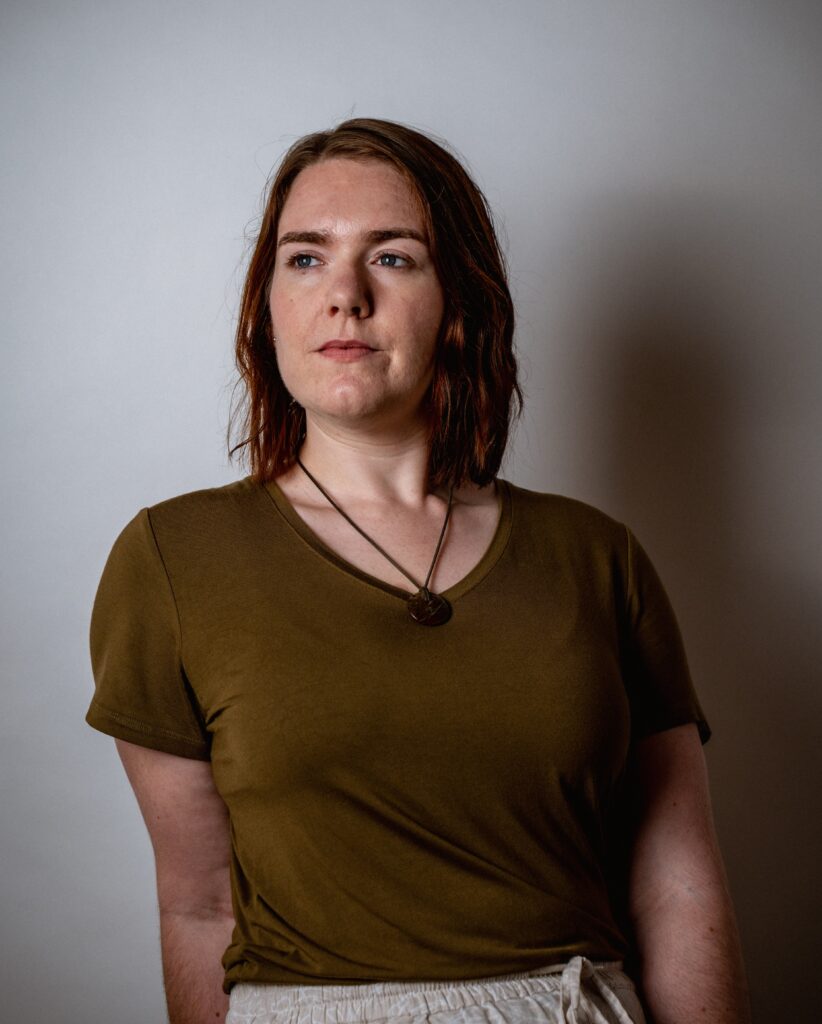
Jessie Leov is an award-winning composer of New Zealand and Australian heritage. With a diverse practice as a music-maker, Jessie’s work traverses classical and popular music, including cross-disciplinary collaboration across the arts. Her music reflects a deep curiosity about the world around her as well as responding to other art forms such as poetry and visual art. Jessie was a composer fellow at the 2024 Edward T. Cone Composition Institute at Princeton University, and at the 2025 Bang on a Can Summer Music Festival in MA, USA. She was Composer-in-Residence for the NZSO National Youth Orchestra in 2024, and is the recipient of a 2022 APRA Professional Development Award. Jessie’s collaborative album, “Earthworks”, with sonic artist Garling Wu, is due for release in May 2026. A collaboration spanning multiple continents, time zones, and years, “Earthworks” is an album of organic textures, delicate granular gestures, and surreal sonic spaces, responding to their changing environments as nomadic artists. Their work, “Sounding Bell”, premiered in London in 2024 and was showcased at the 2025 MANIFEST:IO Symposium for New Media and Electronic Art in Berlin. 2026 also brings collaborations with the Tasmanian Symphony Orchestra, Omega Ensemble, and Australian National Academy of Music.
Celebrating the work of internationally acclaimed Aotearoa New Zealand artist Judy Millar, Speculations on a Rainbow is a response to Millar’s The Rainbow Loop. Millar’s large-scale gestural work, a long looping painting on wood and canvas, forms a twisted coil that seeks to ‘interrupt and invade’ the space it occupies. Drawing on the duality of Millar’s sweeping strokes of vibrant colour, offset by stark monochromatic landscapes, Speculations on a Rainbow weaves its way through a shifting canvas of stability and turbulence, stillness and motion, offering a brief glimpse into the ‘temporary twisted world’ of The Rainbow Loop. Commissioned in 2023 by New Zealand Symphony Orchestra for the NZSO National Youth Orchestra.
Honorable Mention: Pamela Madsen, USA – Melting Away: Gravity
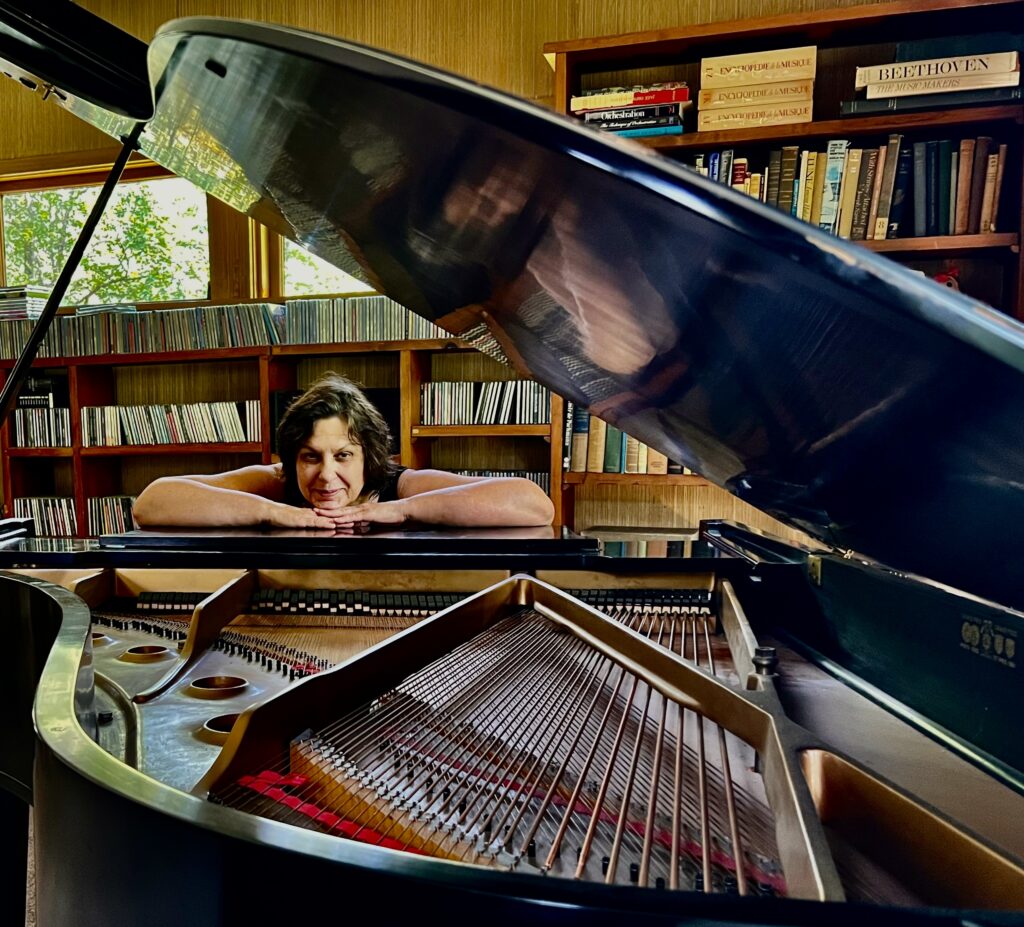
Pamela Madsen is a composer, performer, writer and curator of new music. From massive immersive concert-length projects, solo, chamber music to multi-media opera collaborations her work explores issues of social change, image, music, text and the environment. With a Ph.D. in Music Composition from UCSD, Yale University, Deep Listening with Pauline Oliveros, her research focuses on the evolution of compositional thought, improvisation, electronic music, and women in music. “I create historical dramas, based on archival research, and deep listening at significant sites for inspiration, with a view to the future. This process requires a deeply devoted practice of stillness, time and careful listening.” With commissions and premieres by Brightwork newmusic, HEX, JACK, Ethel, Lyris, Formalist, Arditti string quartets, LAPQ, loadbang, Bent Frequency, Synchromy, Moscow Contemporary Music Ensemble, Tony Arnold, Nicholas Isherwood, Stacey Fraser, Claire Chase, Jane Rigler, Anne LaBerge, Brian Walsh, Lisa Moore, Vicki Ray, Aron Kallay, Bugallo-Williams Piano Duo, Ashley Bathgate, Trio Solisti, New York New Music Ensemble, Either/Or, yesaroun’ duo, California Ear Unit, Verdehr, with artist collaborations with Quintan Ana Wikswo, Camille Seaman, Jimena Sarno and Judy Chicago, her major concert-length projects include her Opera America, National Endowment for the Arts, and New Music USA Awarded Opera: Why Women Went West, and Oratorio for the Earth. Selected as Huntington Library Mellon Fellow, Alpert Award Panelist, Creative Capital artist “on the radar”, with awards from Copland Foundation, American Scandinavian Foundation, MacDowell, UCross, Women’s International Studies Center, Wurlitzer Foundation, she is Professor of Music Composition as Cal State Fullerton. www.pamelamadsenmusic.com
Melting Away: Gravity (2025) for chamber orchestra and voice is a new version of my work Melting Away: Gravity (2011) originally scored for string orchestra, piano, harp, percussion, voice, projection of Arctic sounds with projection of Arctic images by photographer Camille Seaman. Sounds for the original electronics part were collected from the Arctic and Antarctica Arctic and from the seismic recordings of the breakup of one of the largest icebergs ever observed in Antarctica, by University of Washington oceanographer, Seelye Martin (iceberg breakup sounds) provided a sonic background that interacted with the live performance of the notated work for string orchestra. The new chamber orchestra version expands the work to reflect the impact of global warming 14 years later-beyond glacier melt to the devastation of permafrost thaws and exposure of black carbon, ancient, fossilized remains, and potential of unleashing diseases long buried. The first version was a cautionary tale, subtle yet impactful using a string orchestra, percussion, piano and voice to reflect the images of ice melting away. This new work, scored now for full chamber orchestra with addition of winds and brass, to replace the distant spatialized electronic sounds, and make present the imminent voices of rising woolly mammoth remains, and permafrost laid bare, includes a new introductory section and text, a fragment from Rilke’s Sonnets to Orpheus: I, warning of imminent Global destruction.
2026 Leah Reid Electroacoustic and Music in Technology Prize ($400)
Sponsored by Leah Reid for works of any style and length utilizing music technology, including, but not limited to acousmatic works, electroacoustic pieces, electronic compositions, or pieces featuring electronic instruments. If no score is used, a description of the work should accompany the audio or video submission.
Winner: Victoria Frances Young, USA – Breaking News
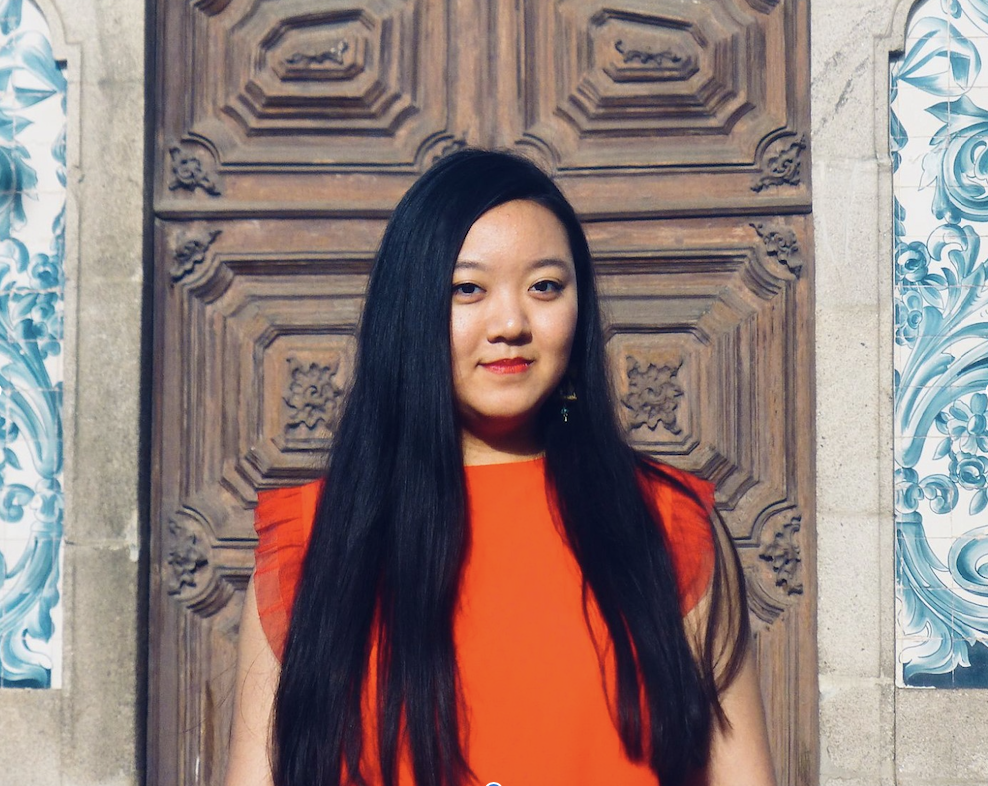
Victoria Frances Young is a pianist-composer who merges contemporary classical language with the energy of rock and electronic music. Her performances range from major international stages—including Carnegie Hall and Lincoln Hall of the U.S. Consulate Guangzhou—to cross-genre venues like Kansas City’s Record Bar, reflecting her commitment to bold, hybrid performance experiences. Her Piano Concerto was selected for the 2024 ISCM World New Music Days and premiered by the Gramophone-nominated Lapland Chamber Orchestra under John Storgårds (BBC Philharmonic). As a concerto soloist, Young has performed with ensembles such as the Danube Symphony Orchestra, Peabody Symphony Orchestra, and the Midland-Odessa Symphony, bringing a distinctive blend of intensity, clarity, and dramatic pacing to the stage. In addition to her work as a soloist, Young has created large-scale interdisciplinary projects, including a full-length planetarium opera blending live and recorded sound, electronics, rock idioms, opera, and theater, further expanding her genre-crossing artistic practice. A graduate of the Peabody Conservatory and the University of Missouri Kansas City, and an alumna of the LA Philharmonic Associate Composer Program, she continues to explore new forms at the intersection of classical and contemporary music.
Ten years ago, I visited CERN in Geneva, Switzerland, where I stood in awe of some of humanity’s most brilliant and complicated technology. Still, there was an exhibit about antimatter that stood out to me: “Matter and antimatter particles are always produced as a pair and, if they come in contact, annihilate one another, leaving behind pure energy.” I felt this also described humanity’s cycle of construction and self-destruction through history. I wondered about a more lawless possibility where meeting a parallel version of ourselves would result in mutually-assured destruction or inconceivable transformation. Rather than lines of poetry that reflect humanity at its most artistic, the text of Breaking News draws from the modern human’s most inescapable source of words: the news. In a hypothetical future, the singer announces the news, battling the chaotic commentary of futuristic humans as represented by the instrumental accompaniment. The ensemble comes together in a klaxon-like drone when humanity receives breaking news of the universe’s imminent collision with a parallel dimension. The news anchor speaks in a frantic and unintelligible manner until disappearing at the moment of contact. What comes after could either be normalcy or the echoes of annihilation: something simultaneously incomprehensible yet familiar.
2026 Pauline Oliveros New Genre Prize ($300)
Sponsored by Claire Chase, for works incorporating innovative form or style, such as improvisation, multimedia, use of non-traditional notation, open instrumentation, or new performance practices.
Winner: Nitzan Vardi, Israel – The Right to Hum
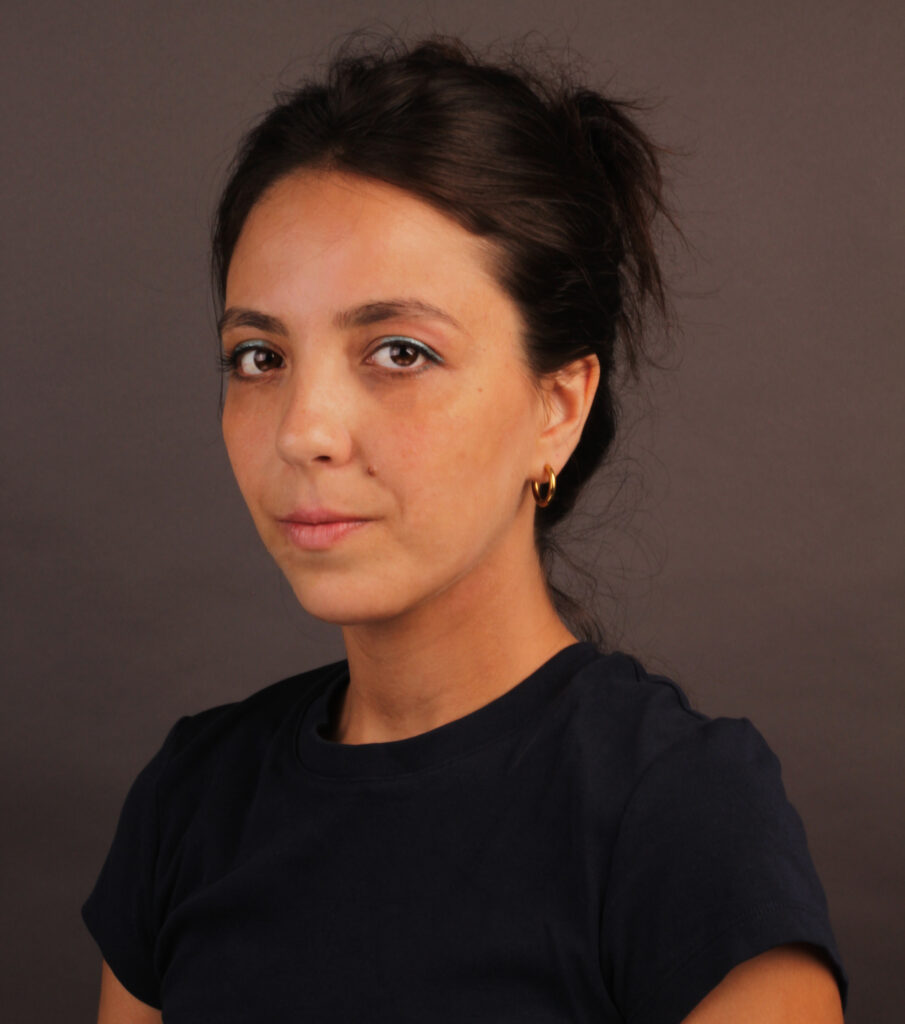
Nitzan Vardi (29) is a composer and pianist residing in Jaffa. She graduated from the Jerusalem Academy of Music and Dance (under Prof. Amnon Wolman) and the Hebrew University. She is a recipient of grants from the Rabinovich Foundation of the Arts and the Society of Authors, Composers and Music Publishers in Israel for 2024 and is currently a candidate for a Master’s in Composition at the Royal Academy of Music in London. Nitzan creates across various media, including classical music, film scores, and music for dance and theater. She is a member of the Israeli Music Institute, the EVC publishing house in Manchester, and the KAMEA label. Her work in 2025 include a piece for orchestra and electronics commissioned by the Telma Yellin Symphonic Orchestra, a piano trio combined with live electronics premiered at a complete recital of her works, a piece for a woodwind quintet for the Kol Hamusika festival in the Upper Galilee, 5 soundtracks for short films and a soundtrack for the play “Dybbuk”, which was staged at Nissan Nativ Acting Studio. Her musical agenda focuses on complex emotional expression, with an emphasis on the listener’s experience, using a combination of acoustic and electronic instruments.
2026 Portland Jazz Composers Ensemble Prize ($500)
For a Jazz composition of any duration for small ensemble to big band (4-17 instruments).
Winner: Eunmi Lee, Korea – Enigma
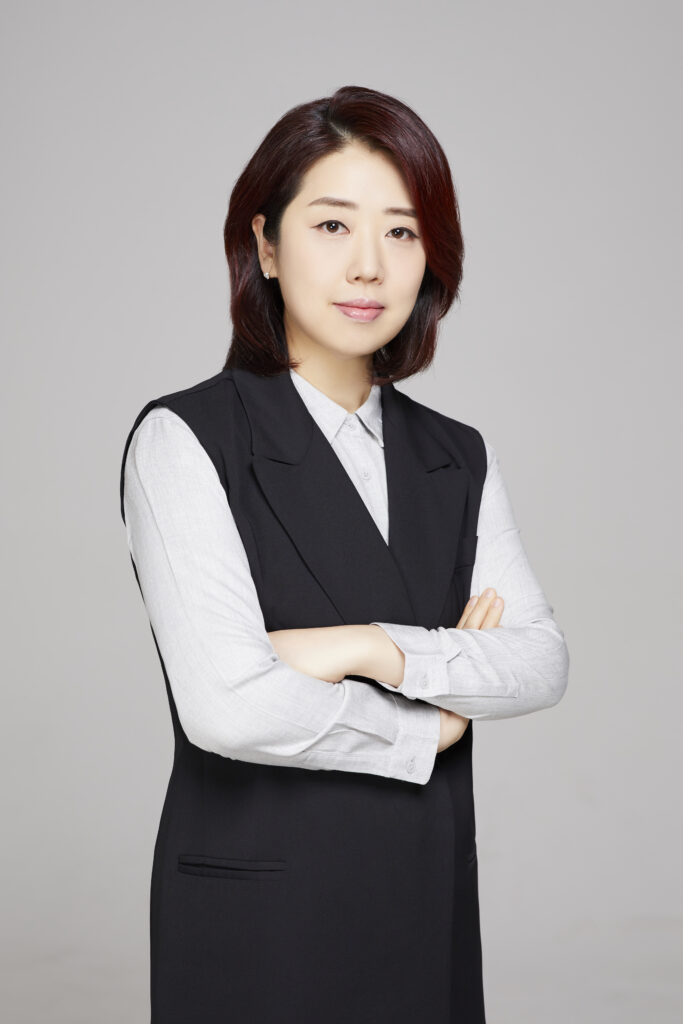
Eunmi Lee is a Korean-born, New York-based jazz pianist, composer, and educator whose work bridges contemporary jazz and her cultural heritage. She studied at the Seoul Institute of Arts, earned her Bachelor of Music in the Netherlands on a Holland National Excellence Scholarship, and later completed her Master’s degree in Jazz Piano at New York University. Her debut album, Introspection, features leading artists including Alan Ferber, Ari Hoenig, John Ellis, Jon Gordon, Remy Le Boeuf, and Meg Okura, and presents her original compositions in settings ranging from trio to 17-piece jazz orchestra. Lee is also an active participant in the BMI Jazz Composer Workshop and has received recognition from the Daegu International Contemporary Music Festival, the Ithaca International Jazz Composition Contest, and the New York State Council on the Arts.
Honorable Mention: Hina Oikawa, Japan – Manhattan
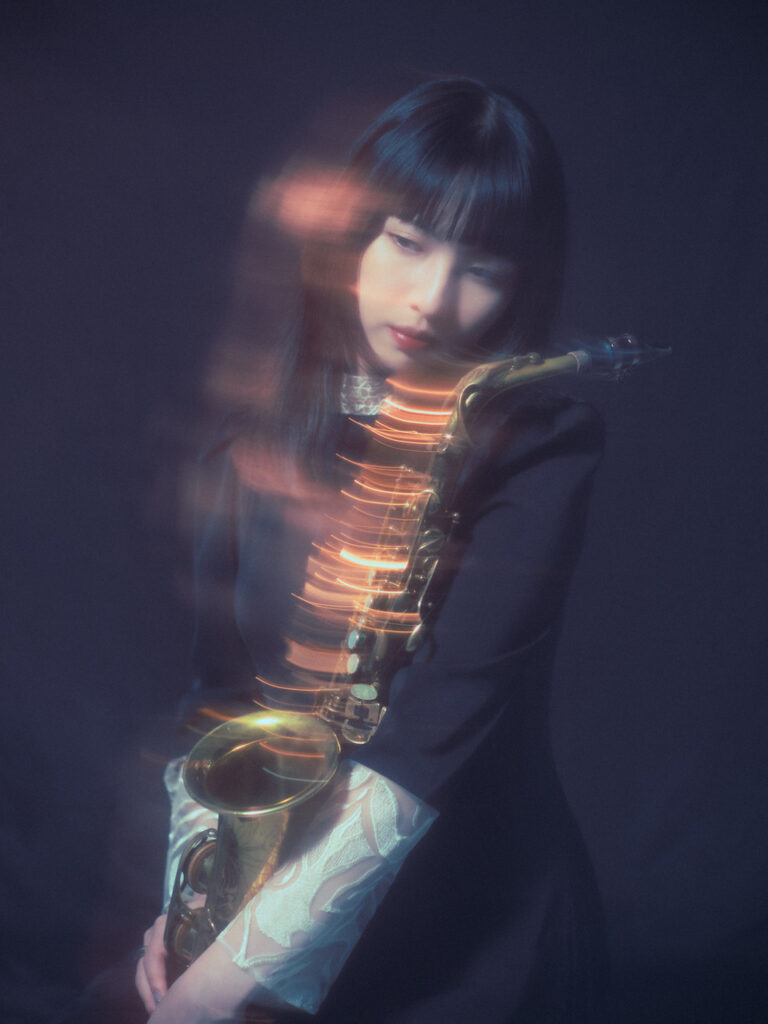
Hina Oikawa is a saxophonist, composer, bandleader, and tanka poet born and raised in Japan, now based in Queens, NY. Her primary projects integrate the expressive rhythm of Japanese poetry with large-ensemble jazz composition. In addition to leading her own ensembles, she has performed in programs presented by Jazz at Lincoln Center and at venues including the Jazz Gallery, Drom, and Ornithology, establishing herself as a distinctive voice in the city’s jazz scene. As a bandleader, she recently led her 10-piece ensemble for “Hina Oikawa Short Songs” at the Brooklyn Botanic Garden’s “Hanami Nights” in April 2026. She also presented this multidisciplinary project at Culture Lab LIC in 2025—a program uniting Japanese poetic tradition and modern jazz expression. A graduate of Queens College (CUNY), where she received the Marvin Hamlisch Award for Outstanding Arranger, Oikawa continues to perform across the U.S. and Japan, dedicated to building bridges between artistic disciplines. Hina Oikawa is a 2026 Queens Arts Fund recipient and an endorsing artist for D’Addario Woodwinds and Bullseye Enterprise.
Titled “Manhattan,” this work is a sonic translation of my Tanka poem: “On the bird’s wings, the rust of abandoned lines remains—un-sinking, the unyielding Manhattan Island.” The composition captures the city’s raw energy and industrial grit. It’s built around an explosive tenor saxophone solo—think the screeching power of a subway train and the chaotic pressure of the streets. I used a 10-piece ensemble to layer that “unyielding” vibe, moving between dense, heavy sections and a specific moment where the rhythm section drops out, leaving just the horns to breathe. It ends with a series of fiery trombone and drum solos before circling back to the start. It’s basically the sound of the island: beautiful, noisy, and refuses to sink.
2026 Miriam Gideon Prize ($500)
Sponsored by Lucille Field Goodman, to a composer at least 50 years of age for a work for solo voice & 1-5 instruments.
Winner: Michelle Green Willner, Canada / USA – Reflections
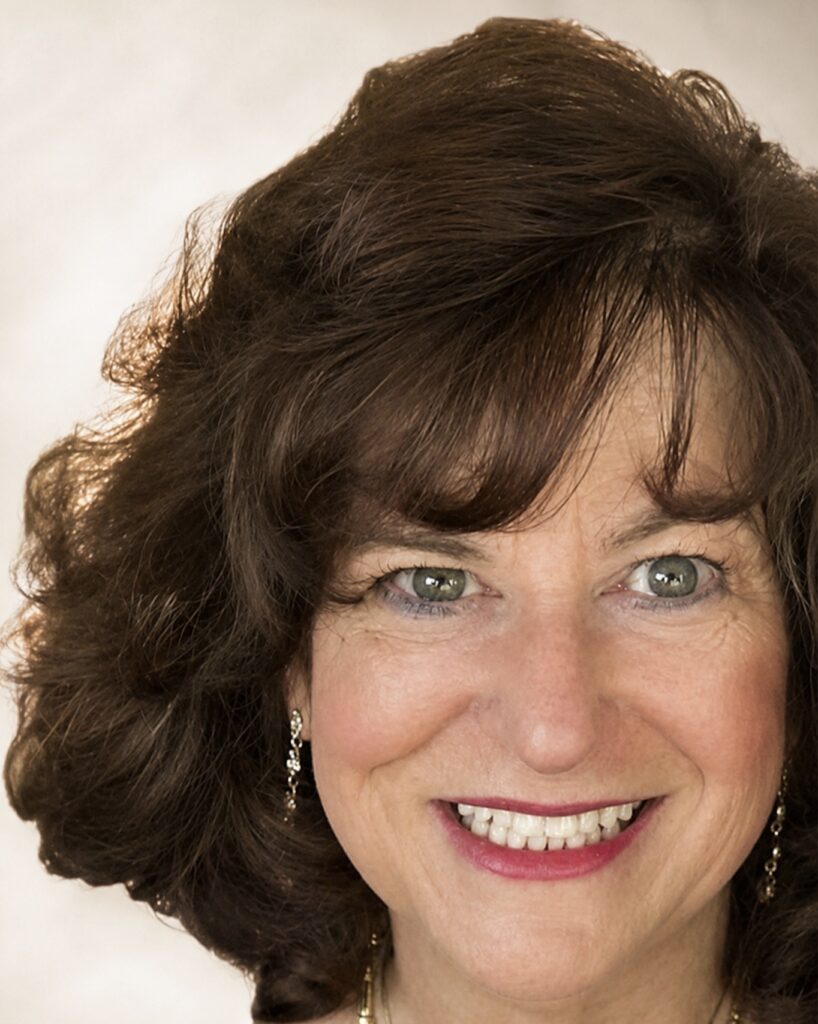
Michelle Green Willner, DMA (ASCAP) www.michellegreenwillner.com Michelle Green Willner’s evocative and award-winning works, “filled with story, emotion and humanity,” are commissioned and performed internationally. Her pieces address poetry, folklore, prayer, Judaic historical subjects, often collaborating with visual artists, dancers, poets, filmmakers, and writers in a variety of styles and mediums. Performance highlights include SF’s Hot Air Music Festival, NY’s North/South Consonance, UCLA’s David’s Quilt, LA’s Unsung Festival, LA Choreographers and Dancers, Australia’s Celebration of Women and Music and Community of Choirs Concert, NACUSA, Synergy, LA Jewish Symphony, Hollywood Master Chorale, American Cantors’ Association, Speculum Musicae, New Millennium, New Calliope Singers, Premier, Society for New Music, Earplay, Center for the Arts Forum, SF, and Zimriya, Israel’s International Choral Festival, and multi- disciplinary works performed at Jerusalem Biennale; Museum of Tolerance; LA Made Festival; 92nd St. Y; other art festivals/installations. Awards include twelve ASCAP Plus Awards, two ASCAP Foundation Grants to Young Composers, Society for New Music’s Brian M. Israel Prize, SOCAN’s Serge Garant Award, Shalshelet’s 6th International Festival of New Jewish Liturgical Music, the WORD Grant: The Bruce Geller Memorial Prize, NLAPW’s 2023 Shirley Holden Helberg Grant and First Place in the 2024 Biennial Music Competition. Fellowships include Max Helfman Fellow, Creative Inquiry Fellowships, June in Buffalo, Wellesley Composers Conference, ASCAP Film Scoring Workshop, Mellon Foundation, and Columbia University’s President’s Fellow. Dr. Green Willner is a sought-after presenter. Highlights include the Judy Frankel Memorial Concert/Lecture for a National Conference highlighting her opera-in-progress, La Señora, Jerusalem Biennale, LA Made, More Art Here Art Festival, Voices of LA, Cantors’ Assembly of America, Jewish Heritage Alliance/ANU Museum of the Jewish People, Tel Aviv, the Nowakowsky International Jewish Choral Festival, SF’s Center for the Arts Forum, SF’s Presidio Virtual Sunday Concerts, New Center for Psychoanalysis LA and the 92nd St. Y, NY. Michelle has extensive experience as a choral conductor and currently directs the MGW Singers and LA Jewish Community Children’s Choir. Dr. Green Willner received her undergraduate degree from University of Toronto and her DMA from Columbia University.
Reflections brings together three striking poetic voices—each confronting war and its aftermath from a deeply personal and unflinching perspective. In Kim’At Shakulah (Almost Bereaved), Tali Asher gives voice to a mother suspended in dread, standing on the precipice of unimaginable loss. Set in the original Hebrew, the work trembles with quiet anguish and is dedicated to mothers who grieve—and those who live in the shadow of that possibility. In The Fallen Soldier, Dael Rodriguez Garcia offers a stark and haunting image: a life reduced to a coin slipping into a charity(tzedakah) box. By the poem’s end, the roles have devastatingly reversed—the parents who “gave” their sons/daughters are left impoverished, pleading not for charity, but for the impossible return of their children. May their memory be a blessing. In Dayenu (Enough), Dafna Shen reimagines the familiar Passover refrain, transforming it into a fragile declaration of threshold—of reaching a moment where “enough” must truly mean enough. From that brink emerges the possibility, however tentative, of hope. Reflections is performed here by soprano, Anna Davidson and pianist, Gaby Sipen.
2026 Choral/Vocal Ensemble Prize ($500)
Sponsored by Andrea Clearfield for the compositions of any duration for choral or vocal ensemble
Winner: Alexa Letourneau, USA – on watching a parent [not] age
New York-based creative Alexa Letourneau is a multidisciplinary artist, expressing their creativity as a composer, flutist, singer, researcher, and educator. Hailing from Ohio, Alexa’s musical journey began at three years old, when they sat at a keyboard in the local science museum for two hours, composing a graphic score; the keyboard, naturally, was in the human body exhibit, as it played autotuned coughs and sneezes. While they haven’t returned to this particular soundscape, Alexa’s compositions continue to explore new and unexpected methods of creation, crafting pieces that strike a balance between introspection and whimsy. As a dedicated performer, Alexa actively engages in premieres and workshops with fellow composers. In addition, they teach musicianship, theory, composition, and voice at Bard Conservatory’s preparatory program, as well as teaching freelance as a composition and flute teacher. They are a graduate of the Mannes School of Music, and they are currently pursuing a doctorate at the Manhattan School of Music, studying with Reiko Füting. Alexa extends their multidisciplinary lifestyle outside of music as well, dedicating their free time to developing recipes, crafting poetry, and fashioning increasingly extravagant cosplays. They are a lover of science fiction, lemongrass tea, and nighttime thunderstorms.
When I came across the poem “on watching a parent age” while scrolling on tumblr, I knew immediately that I wanted to set it for choir. The antiphonal poetic form, where two poems combine to create a third, is uniquely suited to a multi-movement work, and the conversational text between “unprepared daughter” and “proud father” hit immediately close to home; I was, indeed, completely unprepared when my father was the victim of a randomly targeted murder. On April 8th, 2018, a man broke into our home, shot my dad, and then burned the house to the ground in an attempt to cover up his crime. However, this piece, while inspired by these events, is not about death. Rather, “on watching a parent [not] age” is a piece about time, which stubbornly persists even after death and tragedy: time lost and time well-spent, time remembered and time forgotten. The three movements of the piece blend past, present, and future together non-linearly, reminding us that even through all-consuming grief, death is not the end of time, nor the end of love, nor the end of your story, which carries on through your impact on others. Death is merely the end of aging.
Honorable Mention: Victoria Malawey, USA – On Dark Earth
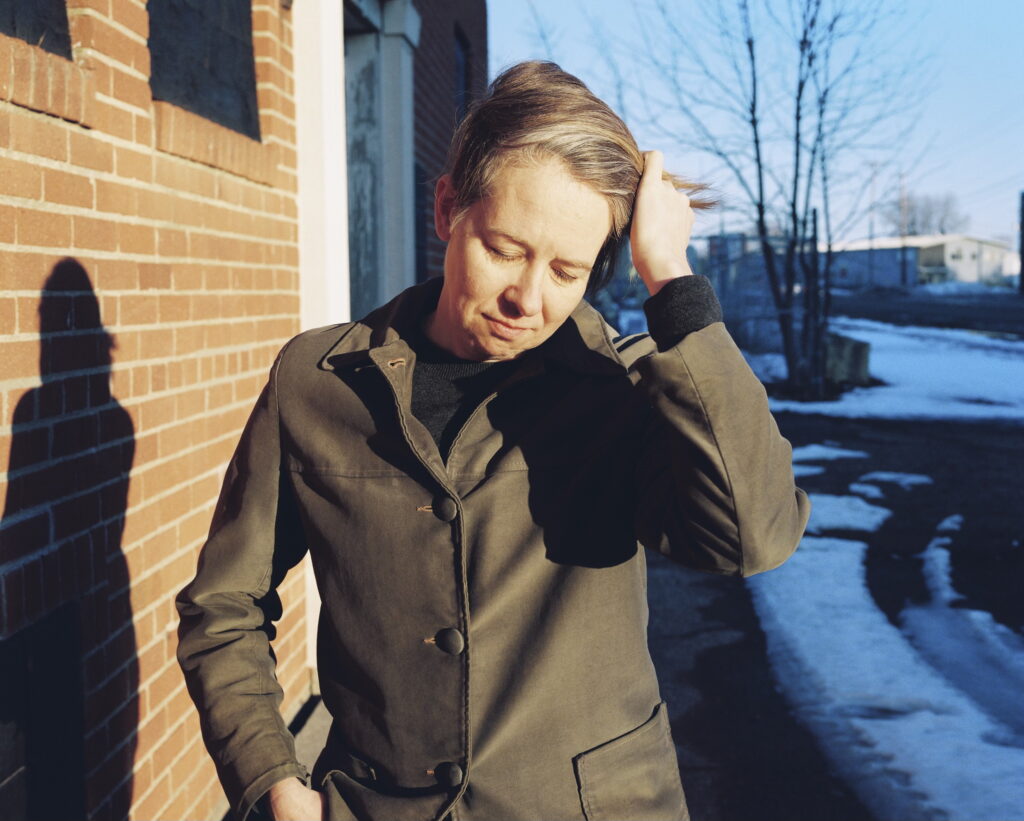
Victoria Malawey is a composer and scholar based in the Twin Cities and Professor of Music at Macalester College. Driven by the belief that art makes the world a better place and fortifies community, Malawey strives to create music that soothes and heals, provides catharsis from pain, and articulates the ineffable aspects of the human condition. Malawey’s choral piece On Dark Earth won the Uncommon Music Festival 2020 Composer Competition and was named top finalist for the 2019 Voices 21C Call-for-Scores, and their song cycle Chansons Innocentes won the 2017 International Alliance of Women in Music Patsy Lu Prize. Recent commissions include pieces for White Snakes Projects, 10th Wave Chamber Music Collective, Red Cedar Chamber Music, MPLS (imPulse), the Thirsty Ears Audio Tour, the Sound of Silent Film, the William Ferris Chorale, Open House Chicago, the Black Cedar Trio, and the ARK Trio. Malawey has completed artist residencies at Hambidge Center for the Creative Arts and Sciences (Rabun Gap, GA), Dorland Mountain Arts Colony (Temecula, CA), Willapa Bay AiR (Oysterville, WA), and I-Park (East Haddam, CT), and Composing in the Wilderness (Denali, AK). More at victoriamalawey.com.
On Dark Earth sets poetry from “To an Army Wife in Sardis” by Sappho (c. 500 B.C.E.). Marked by its simplicity and its poignant pro-peace message, the text presents the point of view of one woman to another woman during the time of war, stressing the importance of the lives of the loved ones who are fighting over the success of any military operation or force. The phrase, “on dark earth,” continued to haunt me as I mulled over the poetry, and it became a framing device for my choral setting of the text. To me, the darkness represents our inability to coexist globally and locally in peace. This phrase is set musically in contrast to the final, more optimistic line of the poem—“that whomever one loves is”—which occurs once at the piece’s midpoint and again at the end. I wrote this piece for the William Ferris Chorale, which commissioned and premiered it in 2018 under the direction of Carling FitzSimmons.
2026 Global Music Prize ($500)
New Music works in any form or instrumentation that integrates cultural and/or traditional influences.
Winner: Eve Klein, Australia – Ghost Ships: Six Songs of the Sea
Eve Klein’s music has been called vivid, revolutionary, inclusive, moving and must-see. Winner of the APRA/AMCOS 2023 Art Music Award for Experimental Practice Eve’s genre defying compositions bring orchestral music into dialogue with immersive and interactive technologies for screen, art music and mass festival audiences. The composer of three operas, a symphony, chamber music, film scores, game soundtracks and sound art, Eve’s work has been experienced by millions of people globally at Salisbury Cathedral, Burning Man, New York University, VIVID Sydney, MONA, GOMA, Brisbane Festival, World Science Festival, the Arts Centre Melbourne and the State Library of Queensland. As Lead Composer for Textile Audio, Eve crafts City Symphony, an award winning interactive AR music experience overlaying Brisbane CBD. To make City Symphony, Eve collaborated with 850 local artists and community members to shape a music and story experience depicting Brisbane’s past, present and future.By day, Eve works as an Associate Professor of Music Composition and Creative Technologies at the University of Queensland. Most importantly, Eve is the proud mum of an eight-year-old who loves swimming and playing violin. Eve lives and works in Brisbane, Australia on Turrbal and Jagera Country.
Ghost Ships playfully recasts sea song tropes to highlight Australian women’s perspectives in the first two songs, a lament and a drinking song. The next two songs incorporate the composers personal history. Nanna Josephine’s Journey blends the blues with a Romantic-era ballad to tell her Matlese grandmother’s story of traveling to Australia by ship alone with her babies after loosing two children in World War II bombings. Shark Attack! combines elements of sea shanties and children’s songs exploring the macabre delight children take in hearing scary stories, and is based on the composers father’s childhood experience of witnessing a friend killed by a shark at age twelve in Sydney. The final songs delve into the lives of colonial women forcibly transported to Australia: Charlotte Badger and Mary Bryant. Lady Badger’s Piratical Reel pushes the reel to absurd lengths, highlighting the false portrayal of Charlotte Badger as Australia’s first female pirate by writers over more than 200 years. The final song, Remembering Charlotte, reimagines the homecoming ballad as an elegy for Mary Bryant’s daughter Charlotte Spence, who was born and died during Mary’s journeys to and from Australia.Ghost Ships transforms traditional sea song tropes with a diasporic feminine and Australian perspective.
2026 PatsyLu Prize ($500)
Sponsored by Patsy Rogers and Lucille Field Goodman, for new music works in any form or instrumentation by Black and underrepresented women.
Winner: Yingting Liu, China – Lin Chong’s Night Escape

Yingting Liu is a composer whose work explores the relationship between sound, body, and power. Born in southern China, she was trained as a Taoist priest and grew up surrounded by ritual soundscapes of breath, chant, and cyclical rhythm. Later she discovered the energy and defiance of hip-hop, electronic, and club music. Her works have been recognized by the ASCAP Foundation Morton Gould Young Composer Awards, 2026 MMTA Composer Commission, 2026 Hear & Now Composition competition at Westminster University, International Digital Music Innovation Competition (IDMIC) , HANGZHOU 2025 Electroacoustic Music Composition Competitio, 2021RIVERS AWARDS, 2021 SUN RIVER PRIZE (ISCM), “New Music Generation,” “Ise-Shima,” and the “Luciano Berio” International Composition Competition. She has participated in major international festivals and workshops including the Mizzou International Composers Festival, RED NOTE New Music Festival, Albany Symphony Composer Workshop, Barcelona Modern International Composition Course,Taproot New Music Festival, Splice Festival VII, ICIT Thailand, KlexosLab, Lake George Music Festival, NYCEMF 2026, ICMC 2026, S.E.M. Ensemble Emerging Composers Workshop, Time of Music in Finland, Sävellysmestarikurssi, Avanti! Summer Sounds Festival, Darmstadt Summer Course, and the Asian Classical Music Initiative.
Lin Chong’s Night Escape is a work for fixed media, video, and piano, inspired by the tragic character Lin Chong from the classic Chinese novel Water Margin. The piece is structured in four sections: Prologue, Wrath, Revenge, and Escape, each reflecting a distinct emotional phase of Lin Chong’s journey. Rather than directly reproducing the despair and betrayal found in the original narrative, I chose to reinterpret the story through sound. By blending cyberpunk textures, 8-bit arcade aesthetics, traditional Chinese operatic percussion, techno, Chiptune, and Black Noise hip-hop, I sought to construct a rhythmically driven, sensory-charged sonic environment. On the surface, the music may feel playful and theatrical, but beneath lies a hidden tragic undercurrent. The work is also deeply personal. As a child, I was fascinated by arcade games featuring legendary Chinese heroes like Zhao Yun, Cao Cao, and Guan Yu. The visceral experience of controlling a character in moments of action, escape, and combat left a strong impression on me. When I revisited Lin Chong’s story, that same emotional intensity resurfaced, shaping the sonic imagination of this piece.
2026 Judith Lang Zaimont Prize ($400)
Sponsored by Judith Lang Zaimont, for an extended instrumental composition—large solo or chamber works—by a composer at least 30 years old whose music has not yet been recorded or published.
No Prize in 2026.
2026 Libby Larsen Prize ($500)
Sponsored by Libby Larsen, to a composer who is currently enrolled in school for a work in any medium.
No Prize in 2026.
2026 Alex Shapiro Prize ($500 and mentorship/consultation with Alex Shapiro)
Sponsored by Alex Shapiro, for a work of any duration for large ensemble wind band requiring a conductor, with or without soloist, acoustic or electroacoustic, published or as yet unpublished.
Winner: Isabelle M. Pearson, USA/Germany – Pyra
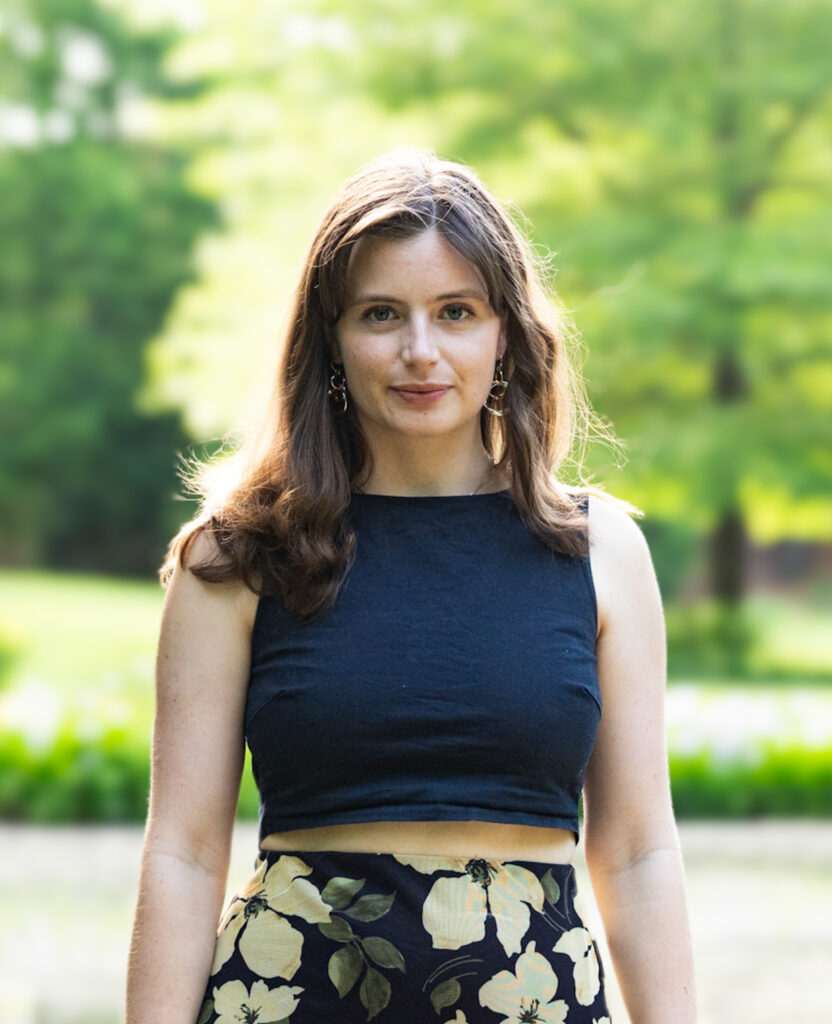
Isabelle M. Pearson is a composer, flutist, and pianist, born and raised in Bozeman, Montana. Her music draws on the landscapes and weather of the American West, exploring connections between sound, place, and memory through rich timbres and interwoven textures.Her catalog spans solo, chamber, and large ensemble music, with works performed across the United States and Europe. Recent performances and commissions include those by the Butte Symphony Orchestra, the Unfolding Duo and American Liszt Society, Sherborne Summer School of Music, and the Aiga Singers. An accomplished performer, she appears regularly on flute and piano in both solo and collaborative settings. She has performed with the Missoula and Bozeman Symphonies, served as principal flute with the Montana Youth Symphony, and premiered new works by her peers. In addition to composing and performing, Isabelle is a passionate advocate for the natural world. She recently produced Art and the Ecosystem, a multidisciplinary event bringing together science, art, and music in support of conservation. More of her work can be found at isabellepearson.squarespace.com.
“Pyra” (pie-ruh) is an ancient Greek word for burning fire. It can also mean funeral pyre. As I watch landscapes from my childhood struggle under the threat of climate change, I struggle with the acceptance of these changes. The idea behind this piece is a mix of things: the life cycle of a forest fire, the rise and fall of a phoenix from the ashes, and the rebirth of identity as we move through life. These three concepts together shape the storyline of the material in the piece. The beginning starts out somber and slow. Like grief, it is heavy, lonely, and sometimes flickers with a brighter, harsher moment that stands out. Solo and chamber lines represent the flickering of memories, or flames, with woodwind flurries on top and percussion and brass to fill out the texture. This builds into a section where I imagined breathing onto sparks and watching them glow brighter. This is represented in the brass, with half and whole notes that crescendo and decrescendo, topped off with an answer from the woodwinds like sparks coming up into the air. We are headed to a wild firestorm in this section, with tension slowly building as more instruments come in, sometimes punctuated and uncertain, sometimes glowing with sounds and direction. The “Firestorm” section is marked by a key change into Gb Major (although not consistently). Christian Schubart’s definition of Gb is as follows: “triumph over difficulty, free sigh of relief uttered when hurdles are surmounted; echo of a soul which has fiercely struggled and finally conquered”. The section is chaotic and roaring, all the uncertainty pour out throughout the ensemble. But, after the damage, there is a proud melody that soars over all the movement, representing both the beauty and the power of fire and change. This section builds until a grand climax and a harsh cutoff. The piece continues in lots of silence, with instruments coming in like leaves popping through the dark soil. What was destroyed can be reborn again, with the similar motives reappearing. A mourning saxophone solo comes in, eventually joined by its family in a quartet. I think of this moment like calling through fog to one another, weaving in and out. More voices join the quartet and movement and growth begins once more. There is a final warm and glorified moment with all instruments, though not nearly as loud as before, before coming down to hear the flutes in an endless flow of 16th note patterns. This reminds me of a river of time, always flowing onwards. The flutes eventually slow and end their moment into held out notes in the low register, for a final oboe solo. The story ends with both peace, grief, and hope. I find that these things cannot be without each other in such moments.